Subscribe to our newsletters!

The pitfalls of validation

Column by Brandon Rogers

There’s a moment most leaders remember … whether they recognize it immediately or only years later, after enough distance has softened the edges. It’s rarely tied to the milestone people assume it would be. Not the promotion letter that felt so monumental at the time, and certainly not some formal boardroom introduction where titles suddenly carried weight. And if we’re being honest, it’s probably not even the first time someone casually refers to you as “the boss.”

No.

The moment most leaders remember arrives much quieter than that. It slips into the room almost unnoticed. You’ve been working on something — an idea, a model, a strategy, sometimes just a stubborn belief that refuses to leave you alone — and someone whose opinion genuinely matters pauses long enough to look at what you’ve built. They study it. Maybe longer than you expected. And then, with a tone that carries just enough weight to linger in your mind for years, they say something simple.

“That’s really good.”

Brandon Rogers

If you’ve spent enough time building things — companies, organizations, teams, ideas — you know exactly the moment I’m describing. Something inside you settles. The hours of uncertainty, the quiet wrestling with whether the idea made any sense at all, suddenly reorganize themselves into confidence. Validation has that effect. It doesn’t just encourage us; it stabilizes us. For a brief moment, the internal questions go silent. Someone else has seen what we were trying to see.

And for many leaders, that moment becomes something strangely formative.

Because affirmation, when it arrives at just the right time, has a way of planting roots deeper than we expect.

Most of us can trace parts of our leadership journey back to those early echoes of encouragement. A mentor who noticed something before we did. A partner who leaned back in their chair and said, “Keep going — you’re onto something.” Sometimes it’s not even a sentence, just a look of recognition that passes between people who both understand the weight of the work being attempted. 

Those moments matter more than we often admit.

They sustain the early days when the path forward is foggy, and the responsibility feels heavier than the experience we carry. Validation, in its healthiest form, is one of the most generous gifts leaders can give to one another. It is oxygen for people learning how to trust their own voice. Organizations that offer encouragement wisely tend to produce people who take meaningful risks. They cultivate environments where ideas are not immediately strangled by skepticism.

In the beginning, validation is simply fuel.

It encourages courage. It whispers that the work might actually matter. It nudges a leader to try again when the first attempt collapses in a heap of awkward execution.

But somewhere along the path of responsibility — usually after success begins to accumulate — something subtle starts to shift.

It’s so quiet that most leaders don’t notice it happening.

At first, validation simply reassures us that we’re learning. Then it becomes a form of calibration. We check the room to make sure we’re still aligned with the people around us. That’s natural; leadership without feedback quickly becomes arrogance. Wise leaders listen. They adjust. They invite strong voices into the conversation.

But over time, a different instinct can quietly take hold.

We start listening for the echo.

Not because we’re insecure — at least not consciously. More often it happens because we genuinely care about the people around us. We want our partners to feel heard. We want our teams to feel confident in the direction we’re going. Leaders who care about people are naturally inclined to look for signals that the room is with them.

The challenge is that affirmation, when we lean on it too heavily, begins to change the architecture of our thinking.

Instead of asking, “Is this right?” we begin asking something slightly different.

“Is everyone comfortable with this?”

It sounds harmless. Responsible, even.

But there’s a quiet difference between those two questions that becomes increasingly consequential the longer someone leads.

Because the very qualities that place people in leadership roles in the first place rarely come from consensus thinking.

They come from intuition.

From a willingness to notice patterns others haven’t yet connected. From the courage to say something slightly uncomfortable before it becomes obvious. From that peculiar internal signal — the one many leaders struggle to explain — that says, there’s something here worth pursuing.

Most founders, executives and entrepreneurs didn’t arrive where they are because they were especially good at waiting for unanimous approval.

They arrived there because they trusted something quieter.

Something internal.

And yet, the deeper we move into leadership, the more people surround us. Partners. Advisers. Investors. Talented colleagues with strong perspectives and legitimate concerns. The room fills with intelligent voices, each offering insight that deserves careful attention.

It is a remarkable privilege to be surrounded by thoughtful people.

It is also, occasionally, a subtle trap.

Because the room begins to carry gravitational pull.

And if we are not careful, we start adjusting our instincts to keep that gravity comfortable. Ideas soften. Convictions become negotiable earlier than they should. Decisions drift slightly closer to consensus before they have had time to fully mature.

None of this feels dramatic in the moment.

In fact, it often feels collaborative.

But slowly — almost imperceptibly — something begins to erode.

The leader’s relationship with their own intuition.

The irony is difficult to miss once you see it.

The very gifts that made someone effective — perspective, conviction, pattern recognition — are the same gifts most vulnerable to dilution when validation becomes the compass.

And that raises a question many leaders eventually confront, often much later than they wish they had.

What happens when the affirmation we seek begins to undermine the very gifts we were meant to offer?

What happens when a leader starts to trust the room more than the quiet signal that once guided their best decisions?

This is where the pitfall of validation quietly reveals itself.

Because leadership, at its core, was never meant to be guided by applause.

It was meant to be guided by conviction.

And conviction, unlike validation, is almost always formed in quieter places.


Brandon Rogers is founder and principal of 2R Consulting Group, a financial consulting firm based in the Harrisburg area.

Executives Insights is a recurring feature from biznewsPA. It provides local business executives and leaders a platform for sharing advice and perspective with the business community of Central Pennsylvania. If you are interested in contributing an executive insight, email [email protected].

Column by Brandon Rogers

There’s a moment most leaders remember … whether they recognize it immediately or only years later, after enough distance has softened the edges. It’s rarely tied to the milestone people assume it would be. Not the promotion letter that felt so monumental at the time, and certainly not some formal boardroom introduction where titles suddenly carried weight. And if we’re being honest, it’s probably not even the first time someone casually refers to you as “the boss.”

No.

The moment most leaders remember arrives much quieter than that. It slips into the room almost unnoticed. You’ve been working on something — an idea, a model, a strategy, sometimes just a stubborn belief that refuses to leave you alone — and someone whose opinion genuinely matters pauses long enough to look at what you’ve built. They study it. Maybe longer than you expected. And then, with a tone that carries just enough weight to linger in your mind for years, they say something simple.

“That’s really good.”

Brandon Rogers

If you’ve spent enough time building things — companies, organizations, teams, ideas — you know exactly the moment I’m describing. Something inside you settles. The hours of uncertainty, the quiet wrestling with whether the idea made any sense at all, suddenly reorganize themselves into confidence. Validation has that effect. It doesn’t just encourage us; it stabilizes us. For a brief moment, the internal questions go silent. Someone else has seen what we were trying to see.

And for many leaders, that moment becomes something strangely formative.

Because affirmation, when it arrives at just the right time, has a way of planting roots deeper than we expect.

Most of us can trace parts of our leadership journey back to those early echoes of encouragement. A mentor who noticed something before we did. A partner who leaned back in their chair and said, “Keep going — you’re onto something.” Sometimes it’s not even a sentence, just a look of recognition that passes between people who both understand the weight of the work being attempted. 

Those moments matter more than we often admit.

They sustain the early days when the path forward is foggy, and the responsibility feels heavier than the experience we carry. Validation, in its healthiest form, is one of the most generous gifts leaders can give to one another. It is oxygen for people learning how to trust their own voice. Organizations that offer encouragement wisely tend to produce people who take meaningful risks. They cultivate environments where ideas are not immediately strangled by skepticism.

In the beginning, validation is simply fuel.

It encourages courage. It whispers that the work might actually matter. It nudges a leader to try again when the first attempt collapses in a heap of awkward execution.

But somewhere along the path of responsibility — usually after success begins to accumulate — something subtle starts to shift.

It’s so quiet that most leaders don’t notice it happening.

At first, validation simply reassures us that we’re learning. Then it becomes a form of calibration. We check the room to make sure we’re still aligned with the people around us. That’s natural; leadership without feedback quickly becomes arrogance. Wise leaders listen. They adjust. They invite strong voices into the conversation.

But over time, a different instinct can quietly take hold.

We start listening for the echo.

Not because we’re insecure — at least not consciously. More often it happens because we genuinely care about the people around us. We want our partners to feel heard. We want our teams to feel confident in the direction we’re going. Leaders who care about people are naturally inclined to look for signals that the room is with them.

The challenge is that affirmation, when we lean on it too heavily, begins to change the architecture of our thinking.

Instead of asking, “Is this right?” we begin asking something slightly different.

“Is everyone comfortable with this?”

It sounds harmless. Responsible, even.

But there’s a quiet difference between those two questions that becomes increasingly consequential the longer someone leads.

Because the very qualities that place people in leadership roles in the first place rarely come from consensus thinking.

They come from intuition.

From a willingness to notice patterns others haven’t yet connected. From the courage to say something slightly uncomfortable before it becomes obvious. From that peculiar internal signal — the one many leaders struggle to explain — that says, there’s something here worth pursuing.

Most founders, executives and entrepreneurs didn’t arrive where they are because they were especially good at waiting for unanimous approval.

They arrived there because they trusted something quieter.

Something internal.

And yet, the deeper we move into leadership, the more people surround us. Partners. Advisers. Investors. Talented colleagues with strong perspectives and legitimate concerns. The room fills with intelligent voices, each offering insight that deserves careful attention.

It is a remarkable privilege to be surrounded by thoughtful people.

It is also, occasionally, a subtle trap.

Because the room begins to carry gravitational pull.

And if we are not careful, we start adjusting our instincts to keep that gravity comfortable. Ideas soften. Convictions become negotiable earlier than they should. Decisions drift slightly closer to consensus before they have had time to fully mature.

None of this feels dramatic in the moment.

In fact, it often feels collaborative.

But slowly — almost imperceptibly — something begins to erode.

The leader’s relationship with their own intuition.

The irony is difficult to miss once you see it.

The very gifts that made someone effective — perspective, conviction, pattern recognition — are the same gifts most vulnerable to dilution when validation becomes the compass.

And that raises a question many leaders eventually confront, often much later than they wish they had.

What happens when the affirmation we seek begins to undermine the very gifts we were meant to offer?

What happens when a leader starts to trust the room more than the quiet signal that once guided their best decisions?

This is where the pitfall of validation quietly reveals itself.

Because leadership, at its core, was never meant to be guided by applause.

It was meant to be guided by conviction.

And conviction, unlike validation, is almost always formed in quieter places.


Brandon Rogers is founder and principal of 2R Consulting Group, a financial consulting firm based in the Harrisburg area.

Executives Insights is a recurring feature from biznewsPA. It provides local business executives and leaders a platform for sharing advice and perspective with the business community of Central Pennsylvania. If you are interested in contributing an executive insight, email [email protected].

Share:

Gladly Sponsored By:

The main tool we use for the BizNewsPA newsletter is ActiveCampaign.

ActiveCampaign helps us manage our subscribers, build the newsletter, and schedule it for our bright and early release time.

If you think ActiveCampaign can help you and your business, click here.

More Central PA News

Government

SBA suspends thousands of PA borrowers amid national crackdown

The U.S. Small Business Administration said yesterday it suspended 870,000 borrowers across the U.S. who allegedly defrauded emergency loan programs rushed into place during the Covid-19 pandemic. Individual borrowers were not identified, but they were said to have taken out $39 billion in loans through the Paycheck Protection and the Economic Injury Disaster Loan programs. […]

To access this post, you must purchase biznewsPA Subscription or biznewsPA Team Subscriptions.

Read More »
Construction

Developer unveils Red Lion rehab project

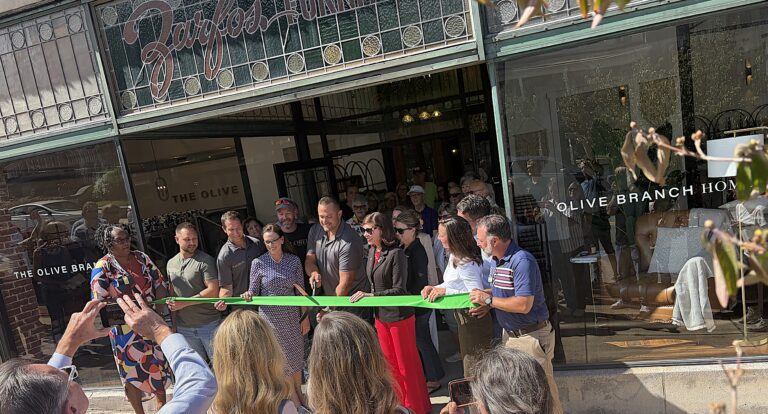
On a sunny Friday afternoon, regional developer Jordan Ilyes showed off the fruits of a $3 million conversion project that remade the former Zarfos Furniture building in Red Lion. Over the last year or so, Ilyes and his team cut 27 apartments into the three-story, 40,000-square-foot building. The apartments are a mix of one- and […]

To access this post, you must purchase biznewsPA Subscription or biznewsPA Team Subscriptions.

Read More »
Construction

Industry vets launch HVAC startup in capital region

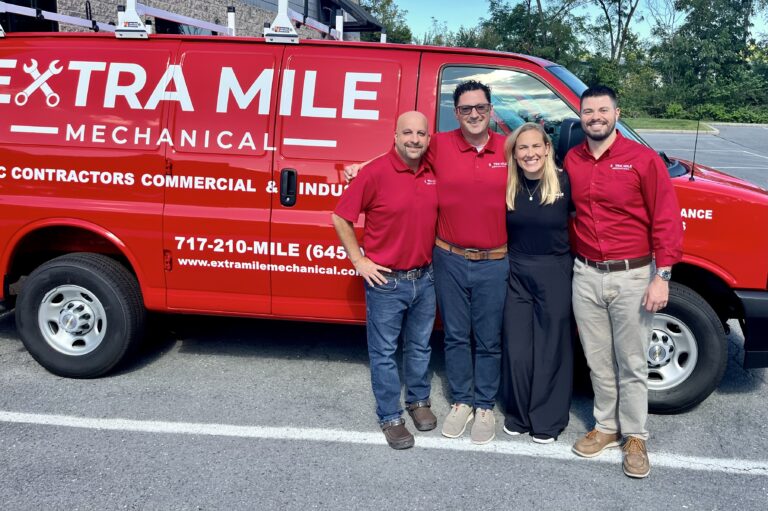
Extra Mile Mechanical, a startup commercial and industrial HVAC company in Hampden Township, Cumberland County, is pitching itself as an alternative to what it frames as larger, impersonal contractors that increasingly dominate the industry. “No phone menus. No call centers. No layers of corporate bureaucracy. No shipping profits elsewhere. Just real people who answer the […]

To access this post, you must purchase biznewsPA Subscription or biznewsPA Team Subscriptions.

Read More »
Real Estate

Plaza near Park City fetches $4.1M

A Lititz-based real estate partnership has added to its portfolio of retail properties in Central Pennsylvania.  S&S Singh Partners, headed by cousins Paul and Randy Sohal, paid $4.1 million for a retail plaza across from Park City Center. The two-building, 12,823-square-foot center had been owned since 2015 by an affiliate of AEI Capital Corp., a Minnesota-based […]

To access this post, you must purchase biznewsPA Subscription or biznewsPA Team Subscriptions.

Read More »
Energy

Pennsylvania sued over energy-credit restrictions

In a federal lawsuit filed this month, West Virginia is accusing Pennsylvania of illegally closing its borders to protect in-state energy generation. At issue are credits generated by solar farms and certain other renewable energy projects and sold to electric utilities on a multimillion-dollar market. Utilities buy the credits so they can comply with state […]

To access this post, you must purchase biznewsPA Subscription or biznewsPA Team Subscriptions.

Read More »
Construction

Officials mull more data centers in suburban Harrisburg

A Texas developer unveiled plans this week for a pair of data centers on a triangle-shaped tract east of Route 283 in suburban Harrisburg. The centers would each span about 372,000 square feet and sit south of Highland Street in Swatara Township, according to plans submitted by US Highlands East Purchaser LLC. The firm’s managing member […]

To access this post, you must purchase biznewsPA Subscription or biznewsPA Team Subscriptions.

Read More »